Strongest whitening agent
2024-10-12
During 2018-2021, Beiersdorf of Germany issued three heavyweight whitening articles,
and they screened out from 50,000 compounds the strongest inhibitor of tyrosinase activity
on the surface so far -- Isobutylamidothiazolyl isophenone (Abbreviation Thiamidol),
and has a patent number: CN105007991A

I、How did the peptide amine Mido come from
Peptide amine Mido is not a plant extract, nor does it exist in animals, it is synthesized
from the laboratory using AI computer analysis to simulate the whitening structure, let's
analyze the structure of peptide amine Mido:
· The hexagon on the right is resorcinol: Most of the current whitening ingredients of
resorcinol are dependent on this structure, which has a strong whitening ability
· The pentagonal in the middle is the thiazole structure: Thiazoles have antibacterial
· The pentagonal in the middle is the thiazole structure: Thiazoles have antibacterial
and anti-inflammatory properties
· The structure on the right is called an amide: Because the peptide amine Mido has four
· The structure on the right is called an amide: Because the peptide amine Mido has four
nonlinear carbon groups, it is called isobutyl amide, and the amide bond is the basic
structure of the protein.

So the combination of them is called: isobutylamidothiazolyl resorcinol. At present, Beiersdorf
only announced the whitening ability of peptidamine mido, but from the structural point of
view, it also has: antibacterial, moisturizing, anti-yan effect.
II、The earth's strongest whitening agent!
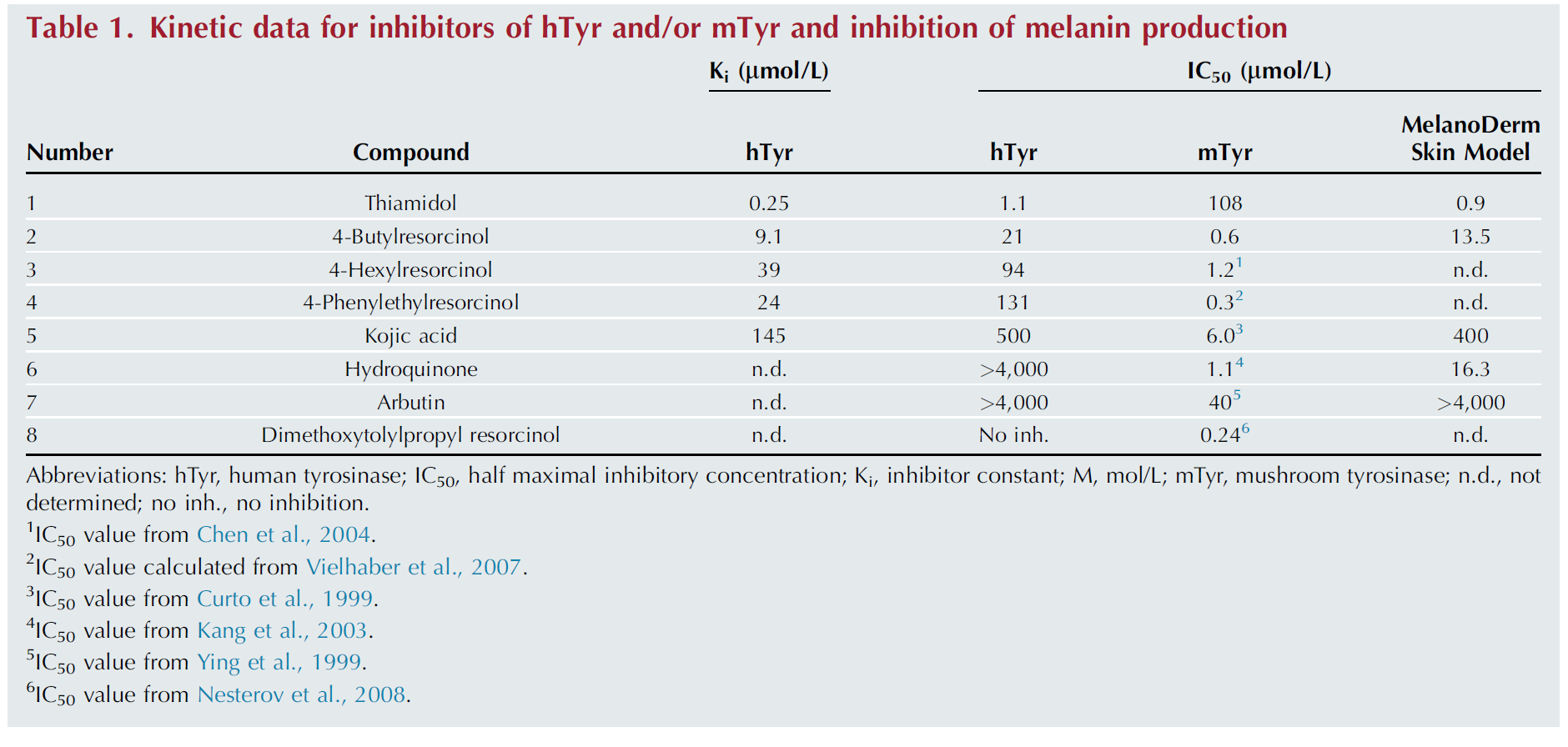
The strongest whitening ingredients sound crazy, ha ha ha, but this time it is true, mainly because
Beiersdorf gave too much evidence, for example: they made a simple list of whitening ingredients,
including common whitening ingredients on the market such as: Peptide amidol (630),
4-butylresorcinol, hexylresorcinol, phenylethylresorcinol * (377), kojic acid, hydroquinone, arbutin.
And added the human tyrosinase model, because there are many experimental models for whitening
ingredients, zebrafish experiment, human tyrosinase, mushroom tyrosinase, and even some special
3D skin models... And the human tyrosinase in it is even more convincing!
| So how strong is Beiersdorf, the strongest whitening agent on the planet?
Beiersdorf is 19 times as strong as 4-butylresorcinol, 119 times as strong as 377 (phenylethylresorcinol),
and 454 times as strong as kojic acid. Let's just say it's too strong!
| Data | Ingredient | Human tyrosinase | Human tyrosinase (IC50) | Mushroom tyrosinase (IC50) | Melanin skin model |
| 1 | Isobutylamidothiazolyl resorcinol | 0.25 | 1.1 | 108 | 0.9 |
| 2 | 4-butylresorcinol | 9.1 | 21 | 0.6 | 13.5 |
| 3 | 4-hexylresorcinol | 39 | 94 | 1.21 | N.D. |
| 4 | 4-phenylethylresorcinol | 24 | 131 | 0.32 | N.D. |
| 5 | Kojic acid | 145 | 500 | 6.03 | 400 |
| 6 | Hydroquinone | N.D. | >4000 | 1.14 | 16.3 |
| 7 | Arbutin | N.D. | >4000 | 405 | >4000 |
| 8 | Dimethoxytolyl propyl resorcinol | N.D. | N.D. | 0.246 | N.D. |
Whitening gradient rankings, in order of what I consider to be strength
1. Thiamidol (630)
2. 4-butylresorcinol
3. Hexyl Resorcinol
4. Phenylethylresorcinol* (377)
5. Photoglycodine
6. Tretinoin
7. Hydroquinone (hydroquinone)
8. Arbutin
2. 4-butylresorcinol
3. Hexyl Resorcinol
4. Phenylethylresorcinol* (377)
5. Photoglycodine
6. Tretinoin
7. Hydroquinone (hydroquinone)
8. Arbutin
III、Amidol peptide can effectively improve melasma
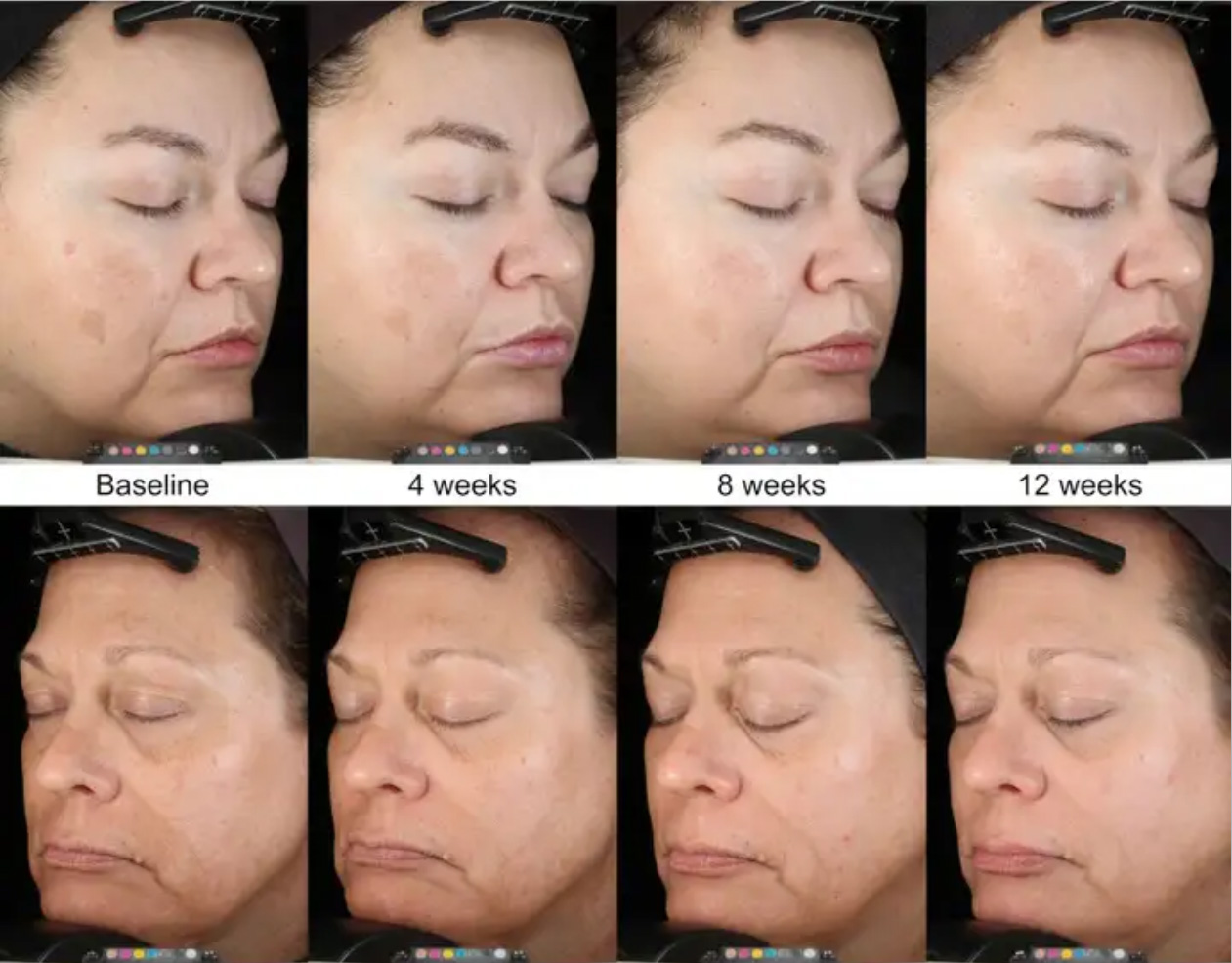
Melasma is difficult to treat, known as the king of thousands of spots, has always been the
use of hydroquinone (hydroquinone) as the gold standard, but hydroquinone (hydroquinone)
inhibition of safety problems, kill melanocytes, carcinogenicity of safety issues, so in 2001
hydroquinone (hydroquinone) was banned by the European Union in cosmetics. The ability
of peptide amidol to improve melasma has surpassed hydroquinone (hydroquinone)!
In 2015, Baiersdorf conducted a 3-month double-blind test of 80 volunteers with melasma
using 0.2% peptide amidol and 2% hydroquinone (hydroquinone) to compare the test, and the
results showed that the improvement rate of 0.2% peptide amidol was 79%, and 2% hydroquinone
(hydroquinone) was 61%. It is worth noting that the concentration of 0.2% peptide ametol is 10
times lower than hydroquinone (hydroquinone), and the strongest whitening ingredient on the
surface is really crazy!
IV、Amidol peptide can effectively improve age spots
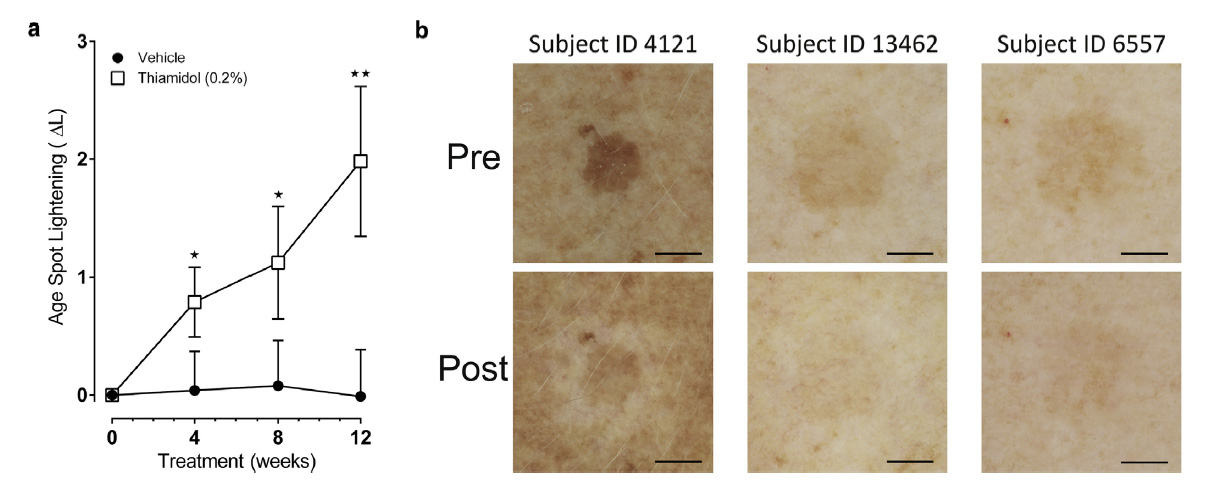
The 0.2% peptide amidol was used twice in the morning and evening, and the age spots were
found to be alleviated after a month of use, and the age spots were significantly improved after
3 months of use, and it was found in the follow-up supplementary experiment that 0.1% peptide
amidol actually had the effect of alleviating age spots.
V、Peptide Ametol prevents UV pigmentation (to remove acne marks, whitening)
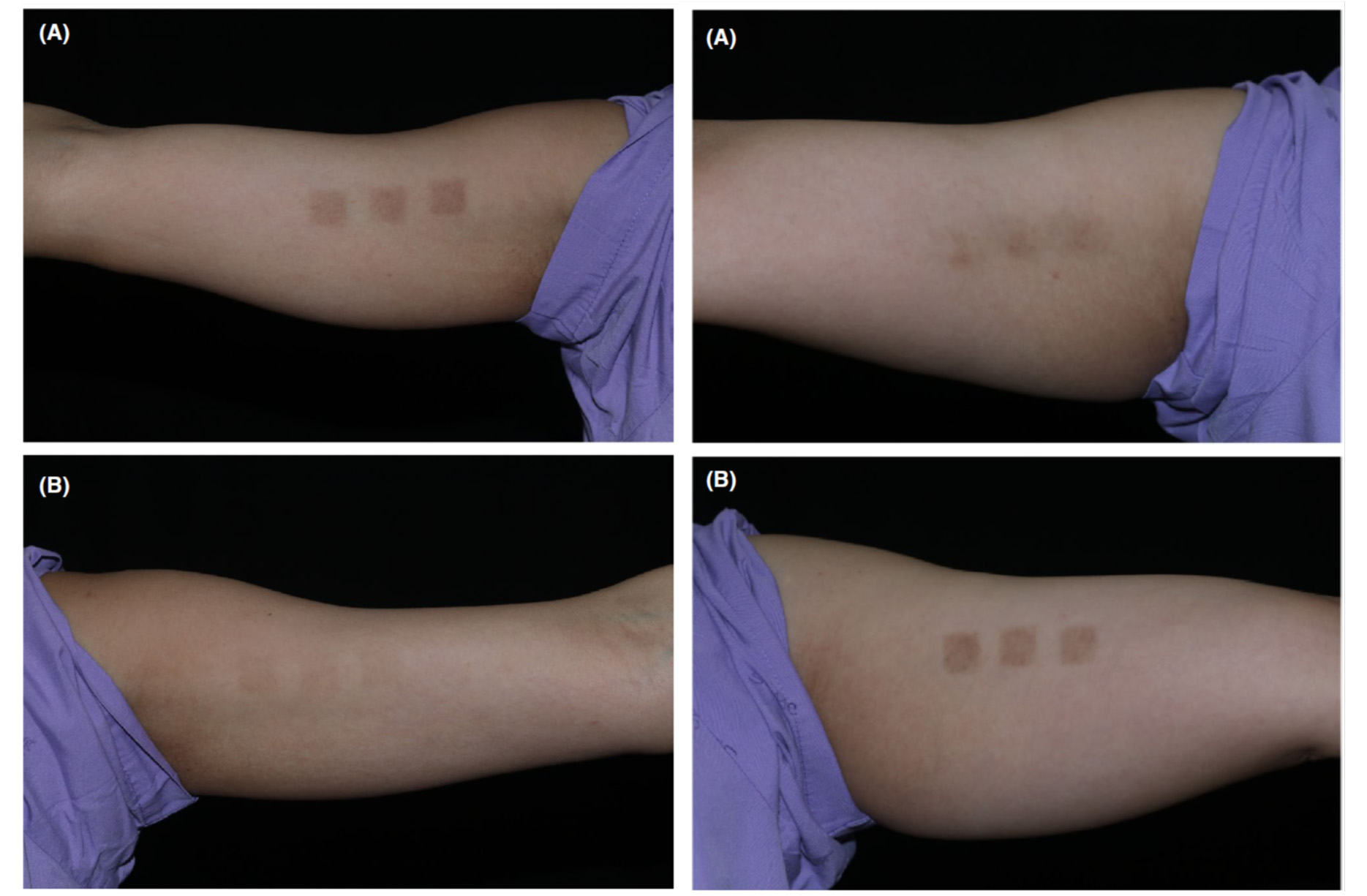
In a single-blind study of 30 healthy volunteers, a UV tan followed by peptidol for 3 weeks
resulted in almost complete recovery.
VI、Brief summary
Thiamidol is designed not to target mushroom tyrosinase, but human tyrosinase. So, it can
match tyrosinase precisely, and thus produce competitive inhibition; It can strongly inhibit the
activity of human tyrosinase, and the inhibitory effect is far more than that of traditional whitening
ingredients such as hydroquinone and kojic acid.
Clinical trials have proved that it can effectively improve a variety of pigmentation problems,
such as melasma, age spots, pale spots, post-inflammatory pigmentation, etc., the effect is
better than that of common pale spot drugs such as hydroquinone, and the thiamidol has no
cytotoxic effect and is safer. Overall, peptide amidol shows better whitening, lightening and
anti-pigmentation effects by precisely inhibiting human tyrosinase activity, making it the most
potent whitening active ingredient currently known.
Green surfactants lead washing and care innovation
2024 Southeast Asia Beauty Healthy Consumers