What is a surfactant? What is its role in cosmetics?
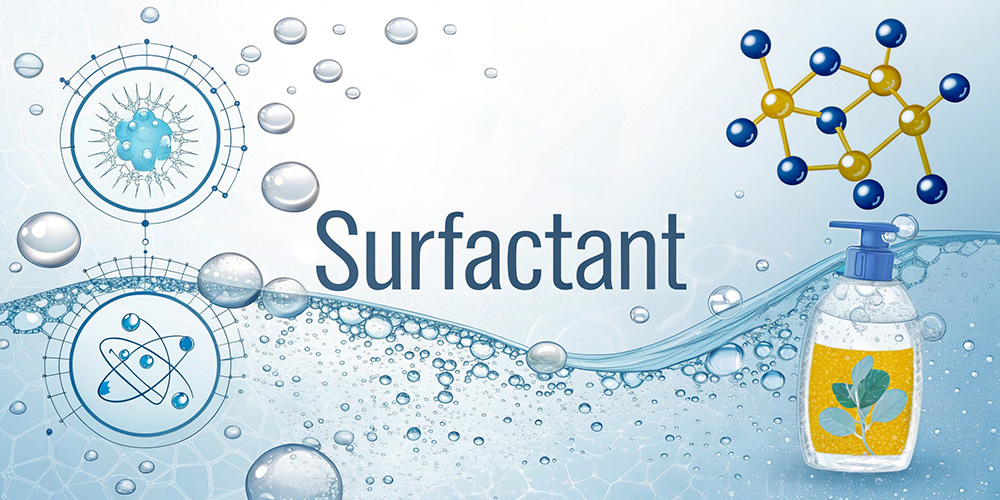 Surfactants are chemically unique substances widely used in the cosmetics industry. As auxiliary ingredients, they are used in small amounts but play significant roles in products like facial cleansers, moisturizing lotions, creams, shampoos, conditioners, and toothpaste. Their functions are diverse, including emulsification, cleansing, foaming, solubilization, sterilization, antistatic properties, and dispersion. Below, we will detail their four main functions. |
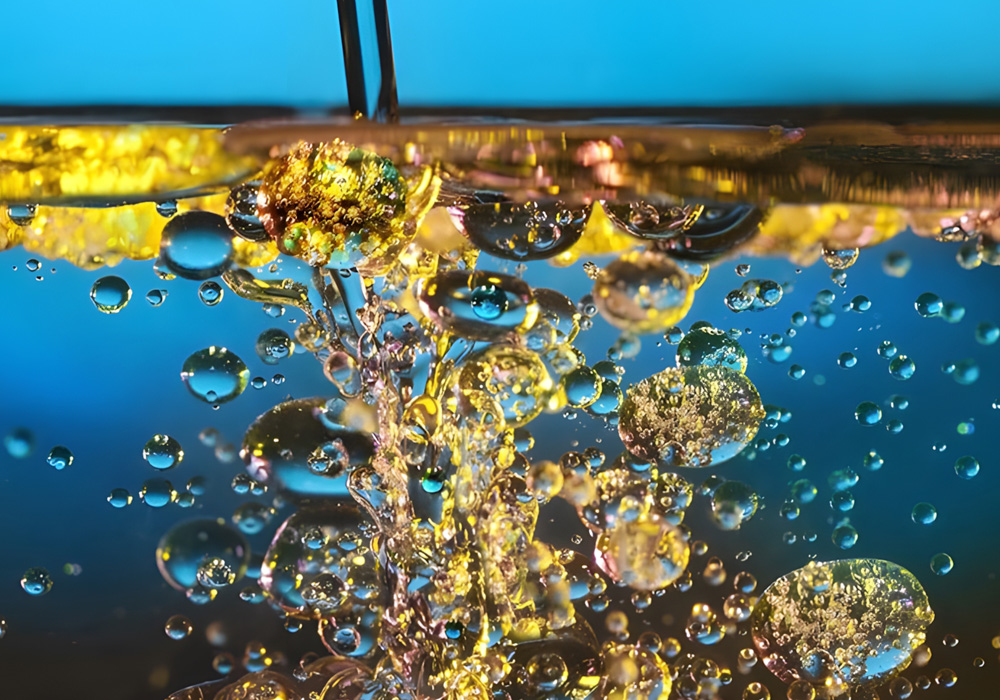
 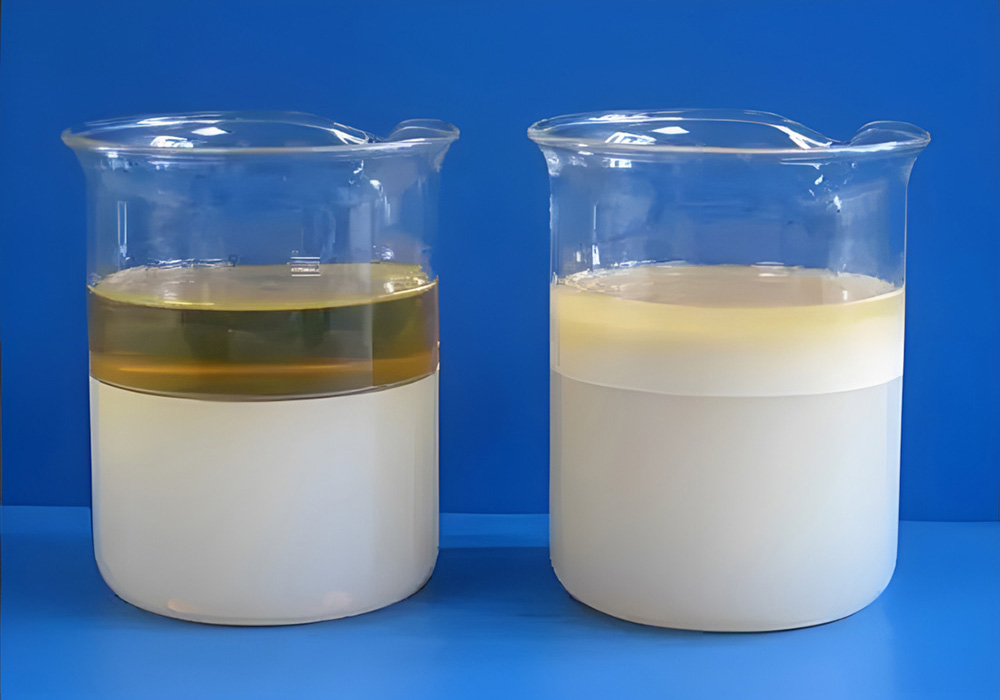 Emulsification refers to the ability of surfactants to create a stable mixture of oil and water. As we know, the most commonly used creams and lotions contain both oily components and a large amount of water. They are mixtures of these two substances, but why can't we see oil droplets or separated water with the naked eye? This is because they form a uniformly mixed dispersion system, where oily components are evenly dispersed in water as tiny droplets, or water is evenly dispersed in oily components as tiny droplets. The former is called oil-in-water (O/W), and the latter is called water-in-oil (W/O). These types of cosmetics are known as emulsions, which are the most common type in the cosmetics industry. However, under normal circumstances, oil and water are immiscible. After stirring stops, they separate into layers and cannot form a stable, uniform dispersion system. The reason why creams and lotions can form a uniformly mixed dispersion system is the addition of surfactants. The unique structure of surfactants allows the immiscible oil and water to mix evenly and form a relatively stable dispersion system, known as an emulsion. The role of surfactants in emulsions is called emulsification, and surfactants that perform this function are called emulsifiers. Therefore, the creams and lotions we use daily contain surfactants.
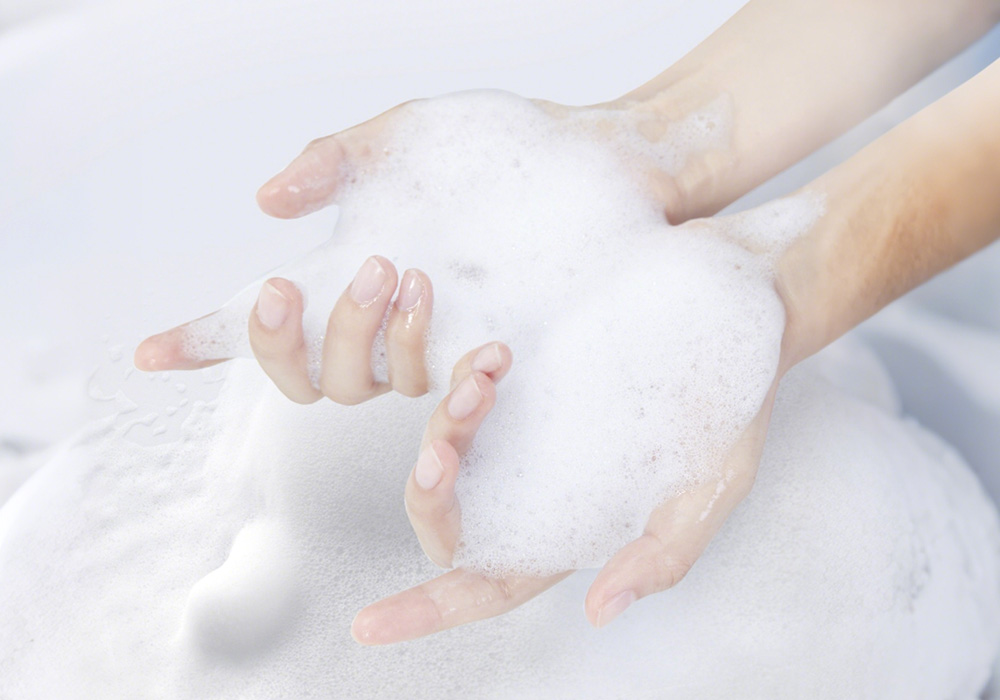
Some surfactants excel in cleansing and foaming, such as soap-based ingredients. Bar soap, hand soap, and some facial cleansers use soap-based surfactants for cleaning and foaming. However, these ingredients can strip the skin of natural oils and cause irritation, making them unsuitable for dry or sensitive skin. Additionally, surfactants are responsible for the cleansing and foaming effects in products like body wash, shampoo, hand soap, and toothpaste.
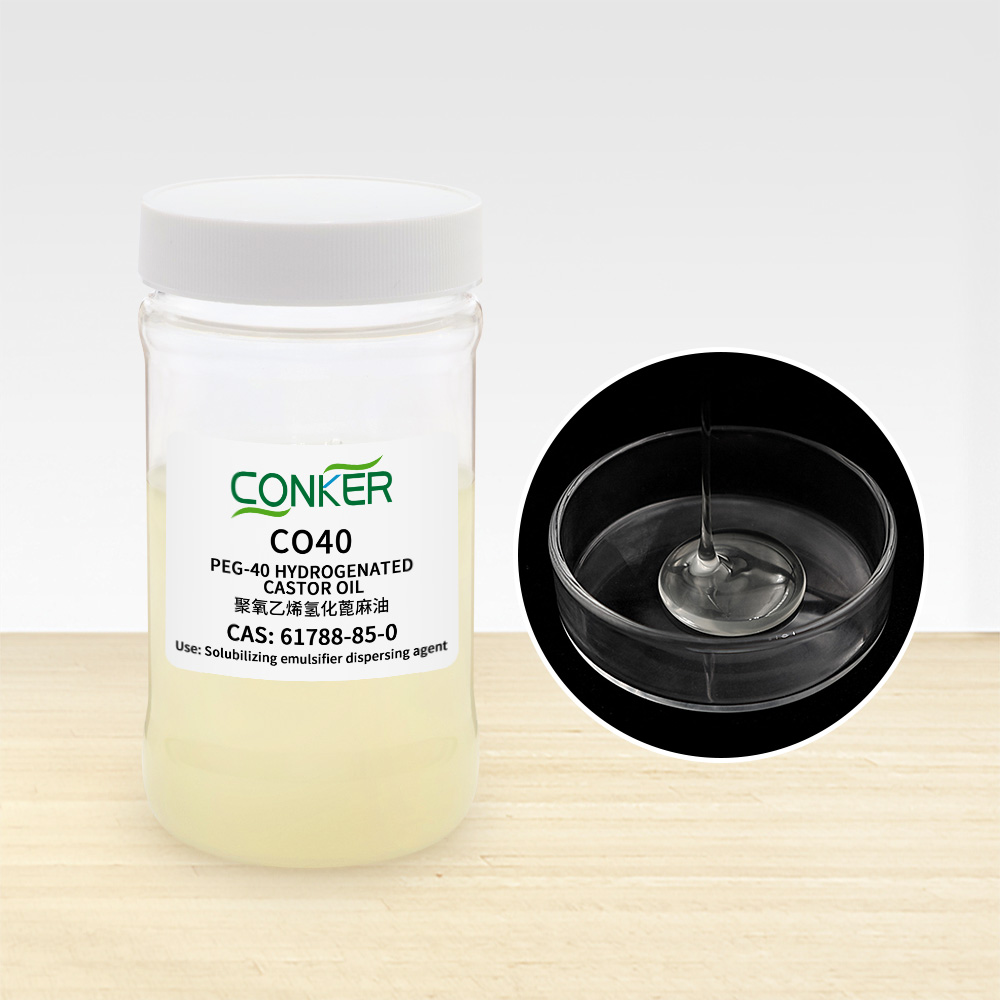
Solubilization refers to the ability of surfactants to dissolve water-insoluble substances, creating a transparent solution. For example, if we want to add a moisturizing oily ingredient to a transparent toner, but the oil cannot dissolve in water and instead floats on the surface as small droplets, we can use surfactants to solubilize the oil, allowing it to dissolve well in the toner and giving the product a clear appearance. However, it is important to note that the amount of oily ingredients that can be dissolved through solubilization is limited. Larger amounts of oily ingredients cannot be fully dissolved in water through solubilization alone. Therefore, as the amount of oily ingredients increases, the amount of surfactant must also increase to emulsify the oil and water. This is why some toners appear opaque and milky-white, as they contain a higher amount of moisturizing oils emulsified by surfactants.
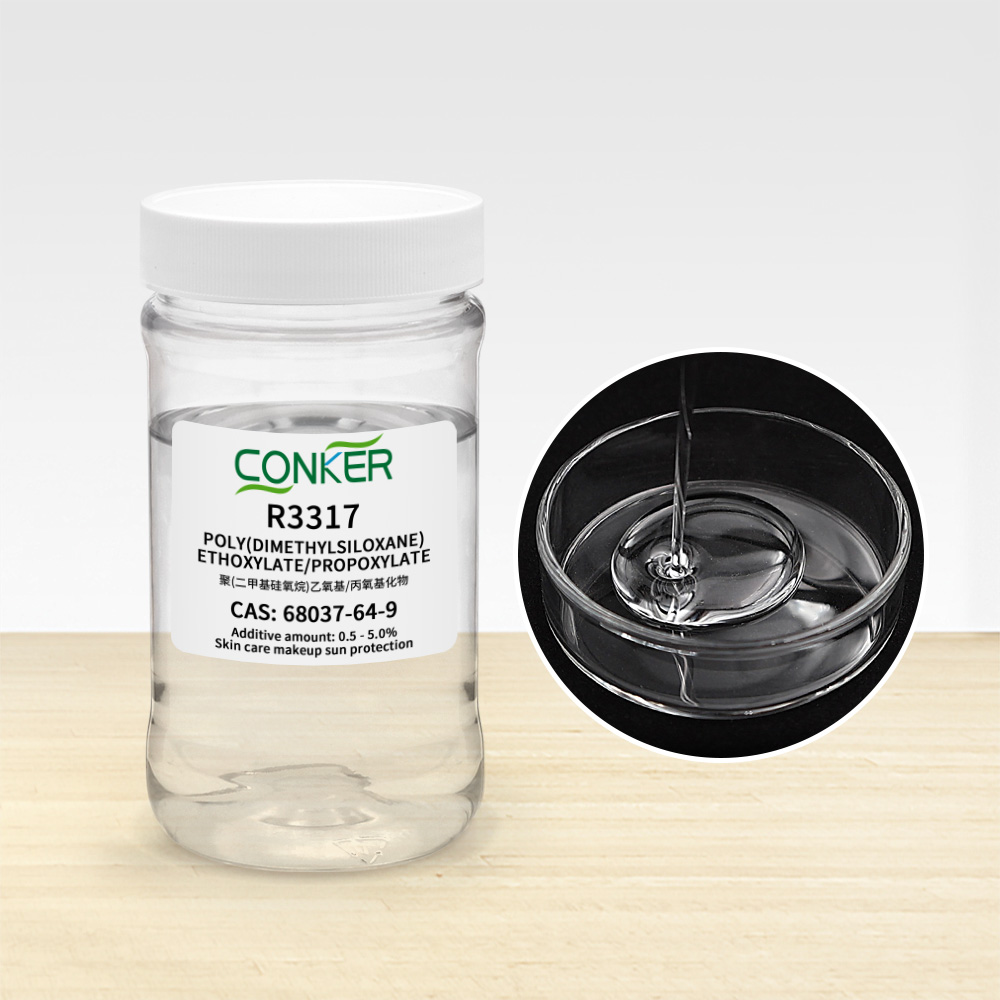
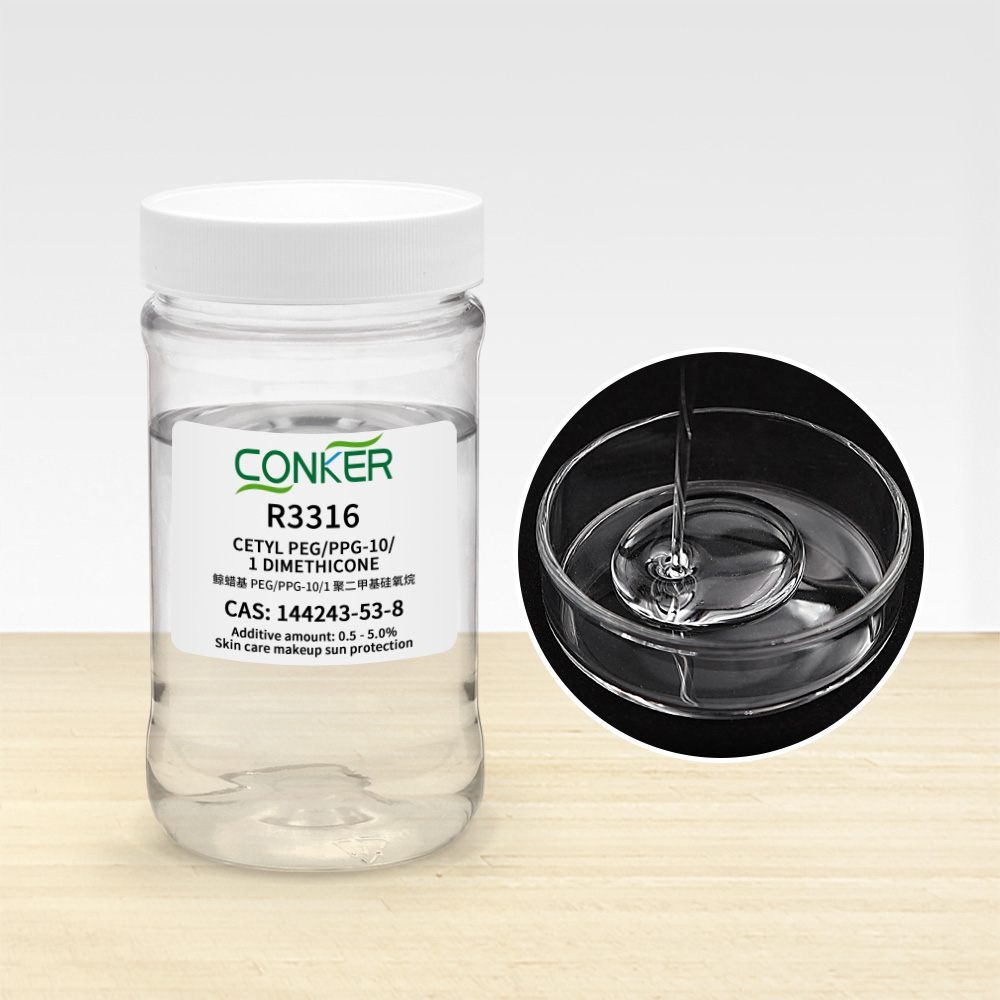
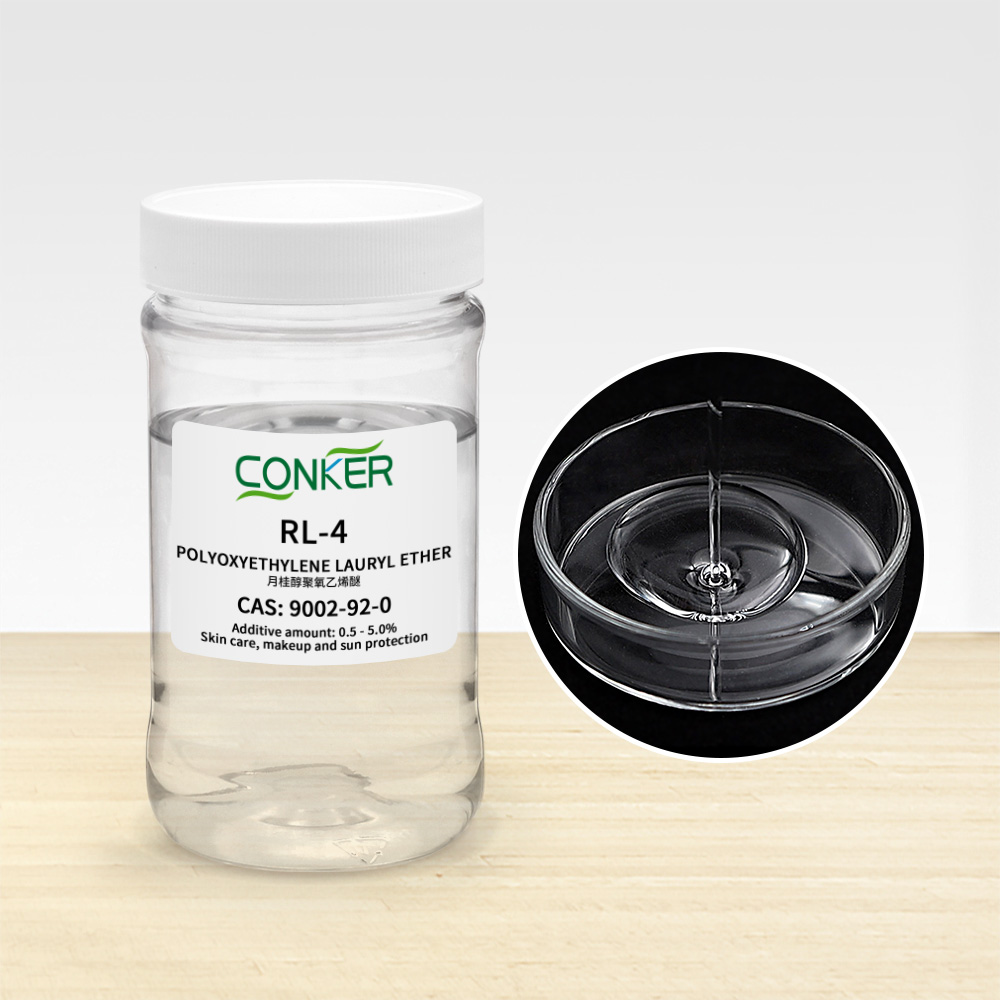
Surfactants can be classified into four categories based on their structural characteristics: anionic, cationic, amphoteric, and nonionic. Among them, anionic surfactants have excellent cleansing and foaming properties and are commonly used in cleaning products. Cationic surfactants are effective in sterilization, antistatic properties, and hair softening, making them suitable for conditioners. Amphoteric surfactants have weaker cleansing properties but excel in foam boosting, foam stabilization, and thickening. They are often used in cleaning products to assist anionic surfactants, enhancing cleaning efficacy and reducing irritation. Nonionic surfactants are known for their emulsification and solubilization properties, with low irritation, and are widely used in creams, lotions, and water-based products requiring solubilization. |




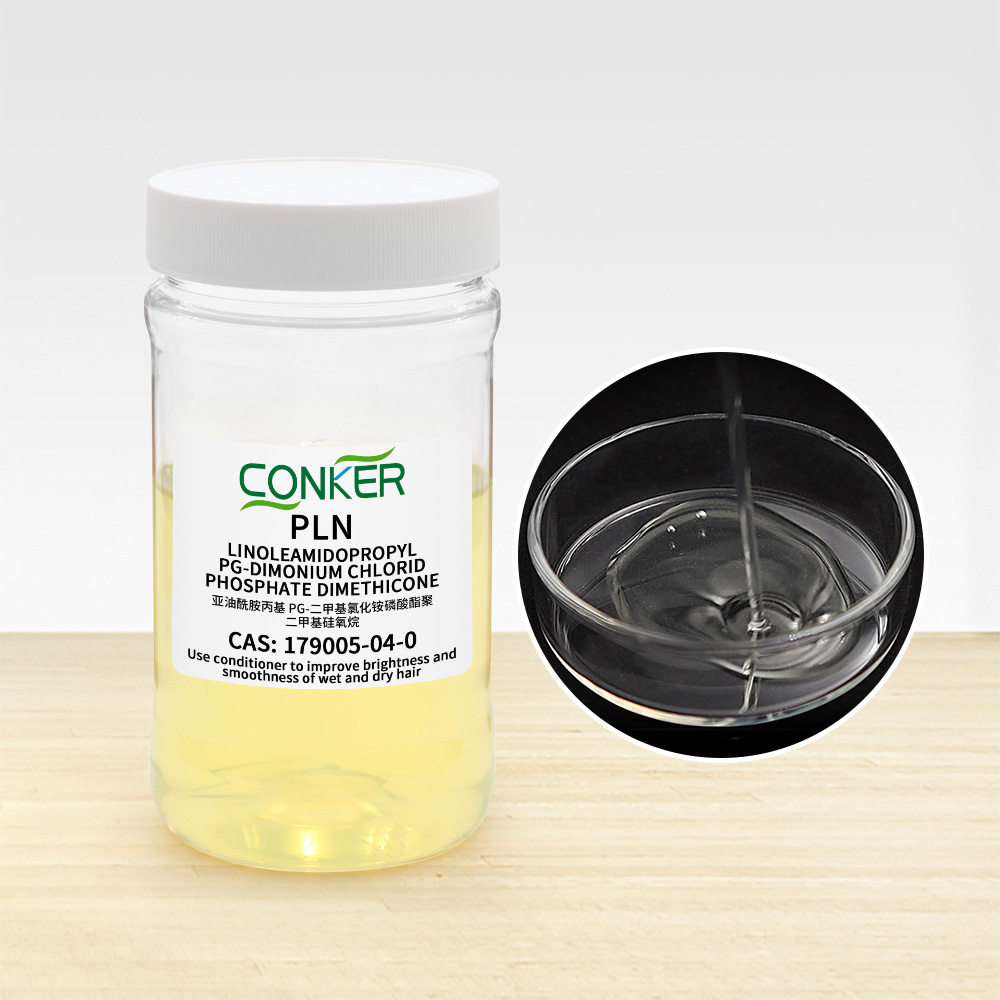

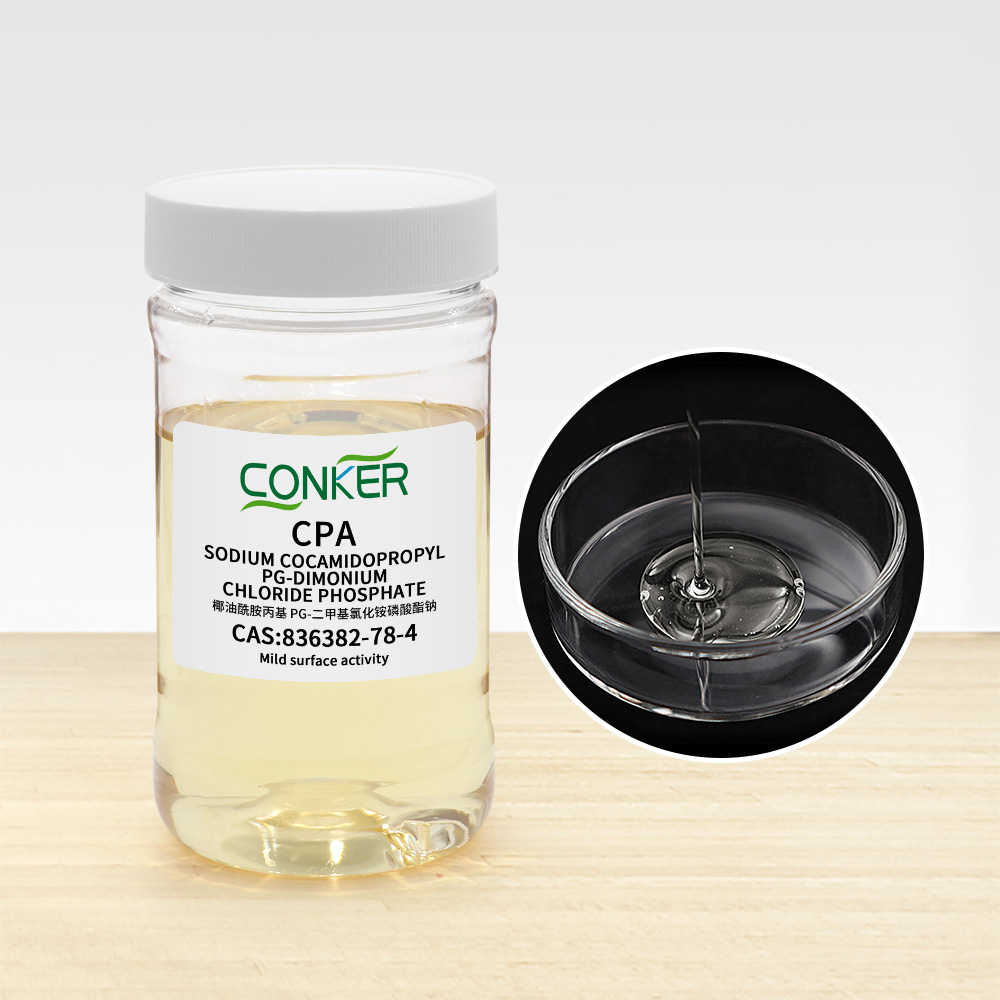

An Ingredient in Hair Care Products Which Makes Hair Softness & Smoothness
Analysis of Southeast Asia Market Trends and High-Potential Categories for 2025
Related Article