
 A variety of sensitive skin products, sunscreen and after sun products, anti-itch products, bath water, anti-dandruff shampoo and conditioner, facial mask products, etcHydroxyphenyl Propamidobenzoic Acid
 Can be used for cleaning cosmetics: face wash, body wash, hand sanitizer. Oral care cosmetics: toothpaste, mouthwash. Special purpose cosmetics: anti-acne products.Conker Chlorhexidine Digluconate
 Cosmetic-Grade Chlorhexidine Diacetate: Safe, Broad-Spectrum Preservation for Personal CareConker Chlorhexidine Diacetate
 Phenoxyethanol acts as a broad‑spectrum preservative against bacteria with moderate yeast and mold activity. Compatible with most cosmetic ingredients, it is widely used in skincare, haircare and color cosmetics.Conker PE




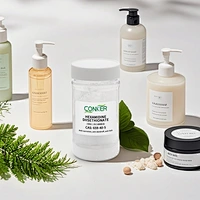


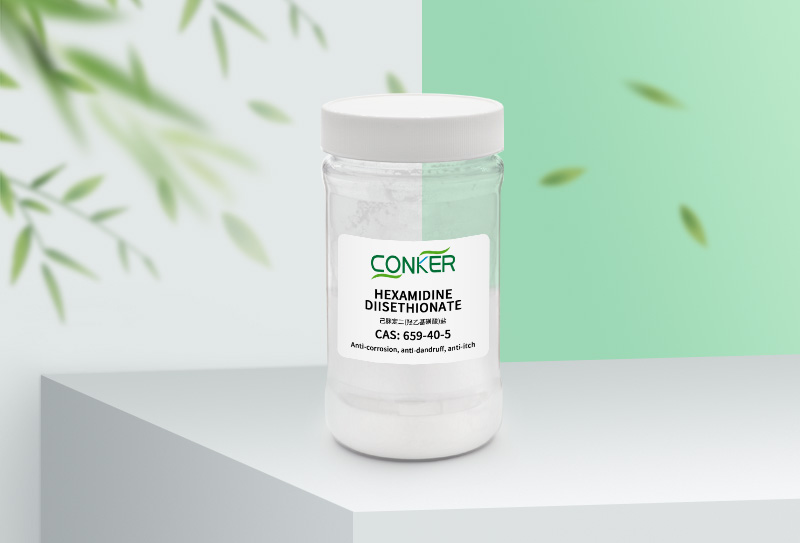
Hexamidine diisethionate CAS 659-40-5
Common Cosmetic Products It's Found In
You will typically find hexamidine diisethionate in a variety of rinse-off and leave-on products, including:
Shampoos & Conditioners
Liquid Soaps and Shower Gels
Moisturizing Creams and Lotions
Foundations and Other Make-up Products
Sunscreens
Serums
Why Formulators Choose It: Key Advantages
Broad-Spectrum Efficacy: It effectively controls the main types of microbes that contaminate cosmetics.
Stability: It remains effective across a wide range of pH levels and is stable at high temperatures encountered during manufacturing.
Compatibility: It works well with most common cosmetic ingredients, including surfactants (cleaning agents) and emulsifiers, without losing its effectiveness or causing the formula to break.
Colorless and Odorless: It does not alter the color, fragrance, or texture of the final product, which is essential for cosmetics.
Good Safety Profile: At the low concentrations used, it has a low potential for skin irritation and sensitization (allergic reaction), making it suitable for many skin types.
| CAS | 659-40-5 |
|---|---|
| Appearance | White powder |
| Solubility | Soluble in water |
| Melting point/freezing point | 246-247℃ |
| Moisture (%) | ≤0.50 |
| Purity (%) | ≥99 |
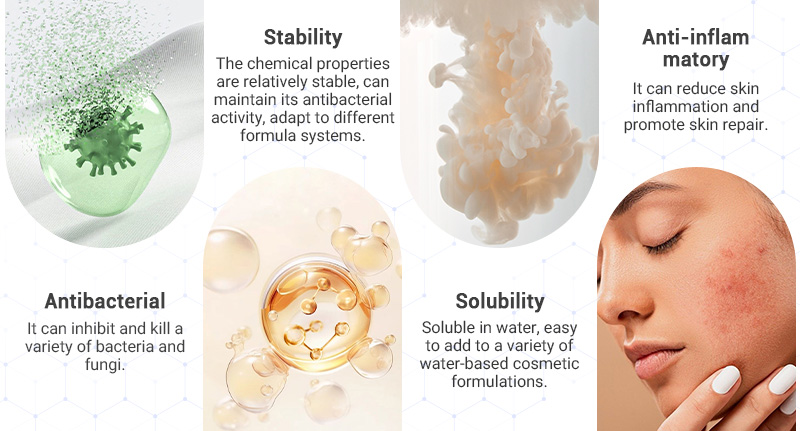
FAQ Q1: What is hexamidine diisethionate? A: Hexamidine Diisethionate is an organic salt primarily known for its potent antiseptic and preservative properties. It is the salt formed from hexamidine (a di-amidine) and isethionic acid. Its efficacy against a broad spectrum of microorganisms makes it a valuable ingredient in cosmetic products. Q2: Is hexamidine diisethionate safe? A: Yes, hexamidine diisethionate is considered safe for topical use in cosmetics. Generally considered safe for topical use at low concentrations (typically between 0.01% and 0.1%). It has a good toxicological profile with low skin irritation potential. |
 |  |  | 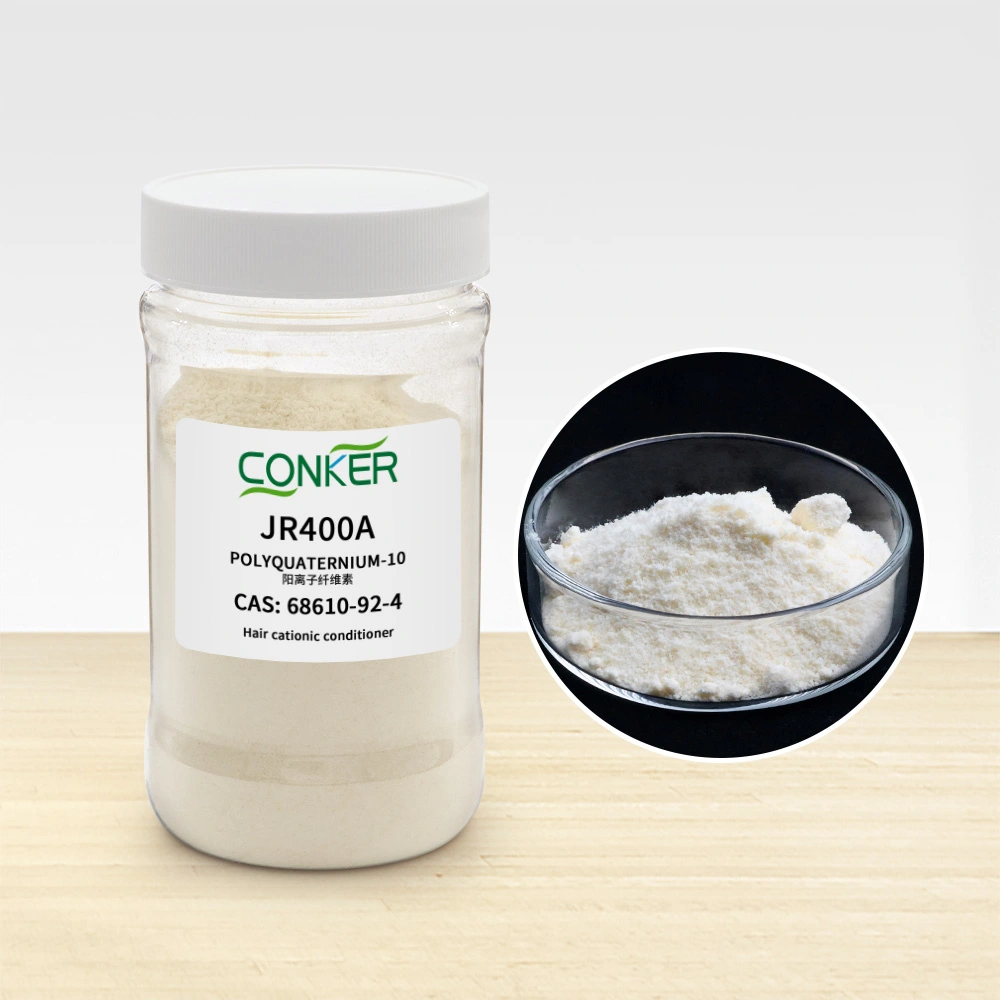 |
| Phenoxyethanol | Salicylic Acid, Acacia Senegal Gum | Chlorhexidine Diacetate | Polyquaternium-10 |
Send Message